
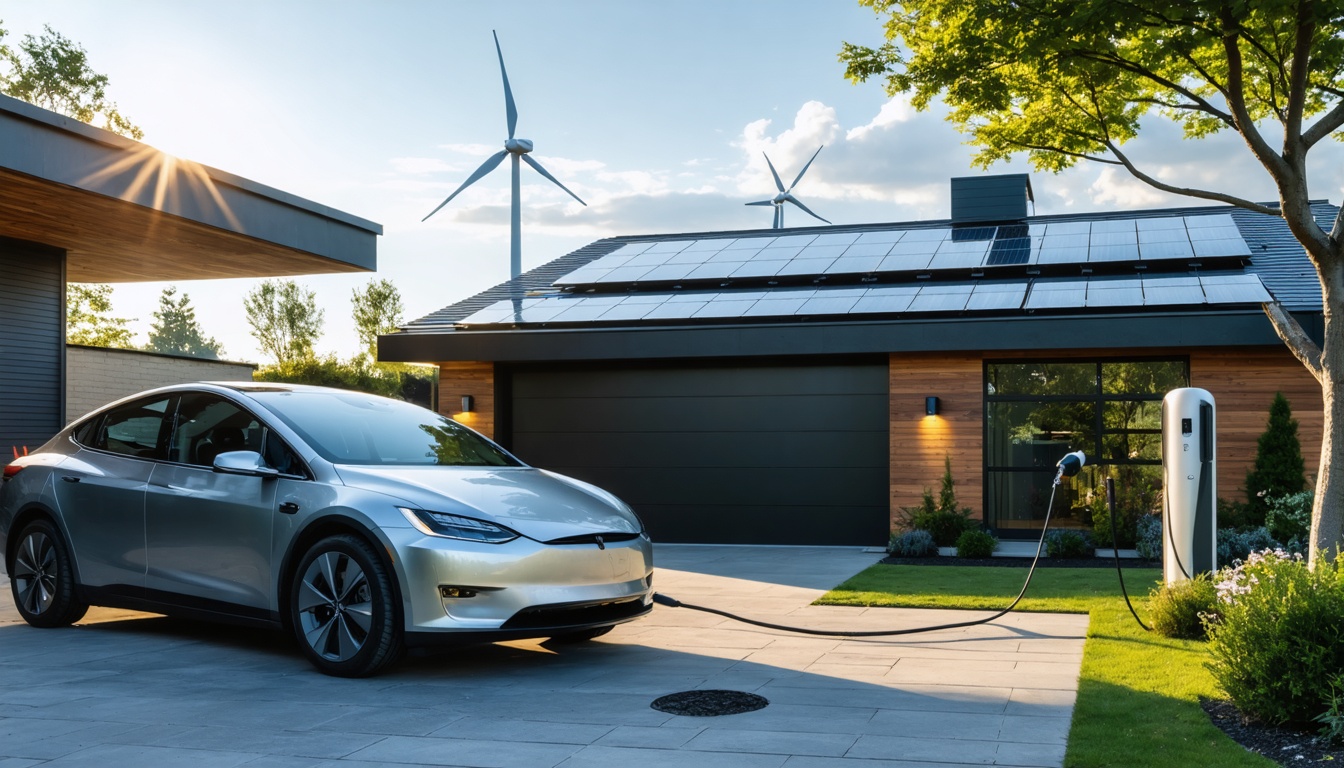
When considering the integration of a home EV charger with a renewable energy source, it is important to evaluate several key factors beyond just the equipment specifications. The choices made can have implications for daily charging habits, long-term financial savings, property value, and the overall energy footprint of the home. First, examining the compatibility of the renewable energy system with the EV charger is essential. Different charging systems may have different requirements, and ensuring that the renewable energy output aligns with the operational needs of the charger is critical for efficiency. Secondly, assessing local renewable energy availability is crucial. For solar energy, factors such as local sunlight exposure, seasonal variations, and shading from nearby structures will determine the effectiveness of a solar panel installation. For wind energy, the average wind speeds and the frequency of windy days in the area are significant considerations. Additionally, understanding the costs involved, including installation, maintenance, and any potential tax incentives or rebates, can help gauge the financial viability of pairing an EV charger with renewable energy. An analysis of long-term savings versus initial investment will offer insights into the return on investment for such a setup. In summary, successful pairing of a home EV charger with renewable energy requires careful consideration of system compatibility, local resource availability, and a thorough evaluation of costs versus long-term benefits. These elements will collectively influence the practicality and efficiency of the chosen system, as well as its impact on the homeowner’s energy usage and financial situation.
When integrating home electric vehicle (EV) charging systems with renewable energy sources, it is crucial to ensure compatibility between the charging equipment and the energy generation system. For those considering EV charger installation in New Baltimore, Virginia, additional details can be found at EV Charger Installation in New Baltimore, Virginia.
Begin by verifying that the power rating of your EV charger aligns with the capacity of your solar panels or other renewable generators. This step helps to avoid potential grid overload or operational inefficiencies.
Additionally, assessing the inverter's load capacity is necessary for maintaining stable operation across all connected devices. It is important for the system to manage simultaneous energy demands effectively without compromising performance.
The adoption of smart charging technologies can enhance energy efficiency by enabling users to optimize charging times based on energy availability, potentially leading to reduced emissions.
For more detailed information and to access best practices, consider reviewing resources from organizations such as the World Resources Institute and related data initiatives, which provide valuable guidelines and insights in this domain.
Evaluating the compatibility between local renewable energy resources and electric vehicle (EV) charging requirements is an important factor for homeowners interested in adopting clean energy solutions.
It is crucial to analyze the availability of renewable energy sources, such as solar, wind, or small-scale hydroelectric power, within the specific geographical area prior to installing an EV charging system that relies on these resources.
The World Resources Institute (WRI) provides several tools, including WRI Insights and Resource Library, that facilitate the examination of renewable energy potential.
Users can filter data by specific locations, including cities or regions such as San Diego, North America, and selected areas in Asia and Europe, to identify the most viable renewable energy options in their vicinity.
Moreover, many regions implement programs aimed at supporting the installation of solar energy systems.
Participation in these programs can yield both financial incentives and technical guidance for users.
It is also recommended to charge electric vehicles during times of peak renewable energy generation, as this practice can enhance the sustainability of transportation and assist in decreasing greenhouse gas emissions.
Effectively integrating local renewable energy resources into EV charging infrastructure can promote efficient energy usage and support environmental objectives.
Electric vehicles (EVs) contribute to a reduction in greenhouse gas emissions when compared to traditional gasoline-powered vehicles. However, the degree of this reduction is significantly influenced by the energy mix of the grid supplying electricity for vehicle charging.
In areas where electricity generation relies predominantly on fossil fuels, the emissions savings from EVs may not be as substantial as expected.
Research from the World Resources Institute (WRI) highlights variances in emissions outcomes across urban networks in North America and Latin America. Regions that emphasize renewable energy sources, such as San Diego, tend to report more favorable climate impacts from the use of electric vehicles.
To enhance the effectiveness of emissions reductions linked to electric vehicle adoption, it is recommended to charge these vehicles with energy derived from renewable sources, such as solar power. This strategy aims to maximize the environmental benefits associated with the shift towards electric mobility.
As more homeowners consider the integration of battery storage systems to manage electric vehicle (EV) charging, the practice of pairing these systems with solar panels has gained traction. This setup allows homeowners to capture and store excess renewable energy, which can subsequently be used for EV charging during off-peak hours or overnight. This approach has the potential to reduce reliance on the electrical grid.
Advancements in lithium-ion battery technology have improved the efficiency and cost-effectiveness of these storage systems. Additionally, organizations such as the World Resources Institute (WRI) provide insights and resources to help consumers understand efficient clean charging options.
Studies conducted in various regions, including San Diego, indicate that battery storage systems can enhance grid stability, lower greenhouse gas emissions, and enable homeowners to leverage energy produced by their own solar installations for charging vehicles.
For those interested in this topic, it is advisable to explore available data initiatives and resource libraries that offer comprehensive guidance on battery storage and its impact on home energy management. Such resources can provide critical insights into maximizing the benefits of this technology.
Optimizing electric vehicle (EV) charging schedules in relation to periods of high renewable energy generation can lead to improved cost efficiency and support sustainability goals. Charging EVs during times of significant renewable output, such as solar energy during daylight hours, may alleviate grid stress and contribute to a reduction in greenhouse gas emissions.
Programs such as Charge Forward and local initiatives in cities like San Diego and Austin provide managed charging options. These programs enable consumers to align their charging needs with availability of renewable energy sources and take advantage of time-based pricing structures.
Furthermore, the integration of residential solar energy systems allows individuals to harness clean energy directly for EV charging.
Research conducted by organizations, including the World Resources Institute and the Research Data Initiatives, highlights that strategically scheduled EV charging can enhance accessibility and align with broader mobility enhancement and climate change initiatives.
These findings emphasize the significance of optimizing charging practices, particularly as the reliance on renewable energy sources increases.
Utilities and third-party providers are developing programs to promote the use of renewable energy for electric vehicle (EV) charging and to minimize carbon emissions. Examples of such programs include Austin Energy’s Plug-in EVerywhere and PG&E’s Charge Forward. These initiatives primarily focus on incorporating solar energy, optimizing grid resources, and employing managed charging strategies to benefit EV users.
Additionally, partnerships with organizations like the World Resources Institute (WRI) are facilitating projects that aim to refine renewable charging practices and assist in emissions reduction efforts.
Stakeholders can access varying programs and resources through utility and third-party websites, enabling effective navigation and understanding of available options.
These initiatives strive to enhance both the accessibility and efficiency of clean transportation solutions, specifically in relation to EV charging powered by renewable sources.
By utilizing technological advancements and strategic collaborations, the goal of these programs is to align with the overall aim of promoting sustainable transportation practices.
Integrating home electric vehicle (EV) charging with renewable energy sources requires a thorough evaluation of initial costs and potential long-term financial advantages. This includes examining the financial implications of installing solar panels and implementing charging schedules that optimize the use of renewable energy.
In certain areas, including San Diego, local programs supported by organizations like the World Resources Institute (WRI) and Resources Institute offer financial incentives for the adoption of renewable energy and EV charging technologies.
Additionally, managed charging strategies that promote off-peak charging can help reduce overall grid demand and decrease greenhouse gas emissions. Tax rebates may also enhance the return on investment for both homeowners and businesses pursuing these technologies.
As the adoption of electric vehicles and the integration of renewable energy increase, there may be a corresponding rise in property values, which aligns with broader climate objectives.
For individuals interested in further information on these trends, access to the Resource Library could provide additional insights related to sustainable mobility solutions.
Pairing home EV charging with renewable energy can effectively lower carbon emissions and energy expenses while enhancing a home's energy resilience. To achieve this, it is important to assess various factors, including your specific energy requirements, the compatibility of your existing home energy systems, and any available incentives for renewable energy installations. Evaluating your energy needs involves analyzing your typical EV charging habits, such as frequency and charging duration, as well as considering your household's overall energy consumption. This assessment will help determine the scale and type of renewable energy system that is most suitable. System compatibility is crucial. Home solar panels, for example, must be compatible with the electrical infrastructure of the home and the EV charging station. Understanding the technological requirements and potential limitations is important to maximize efficiency and avoid additional costs. Incentives such as tax credits, rebates, or grants can significantly reduce the initial investment in renewable energy systems. Many regions provide programs to support the adoption of home solar or other renewable technologies, which can contribute to the overall cost-effectiveness of the setup. Strategic planning and integration of renewable energy with EV charging not only enhance the efficiency of both systems but can also potentially increase property value and promote sustainable practices. By making informed decisions based on these considerations, homeowners can effectively contribute to a reduction in greenhouse gas emissions through their EV charging activities while also making a prudent financial investment.